
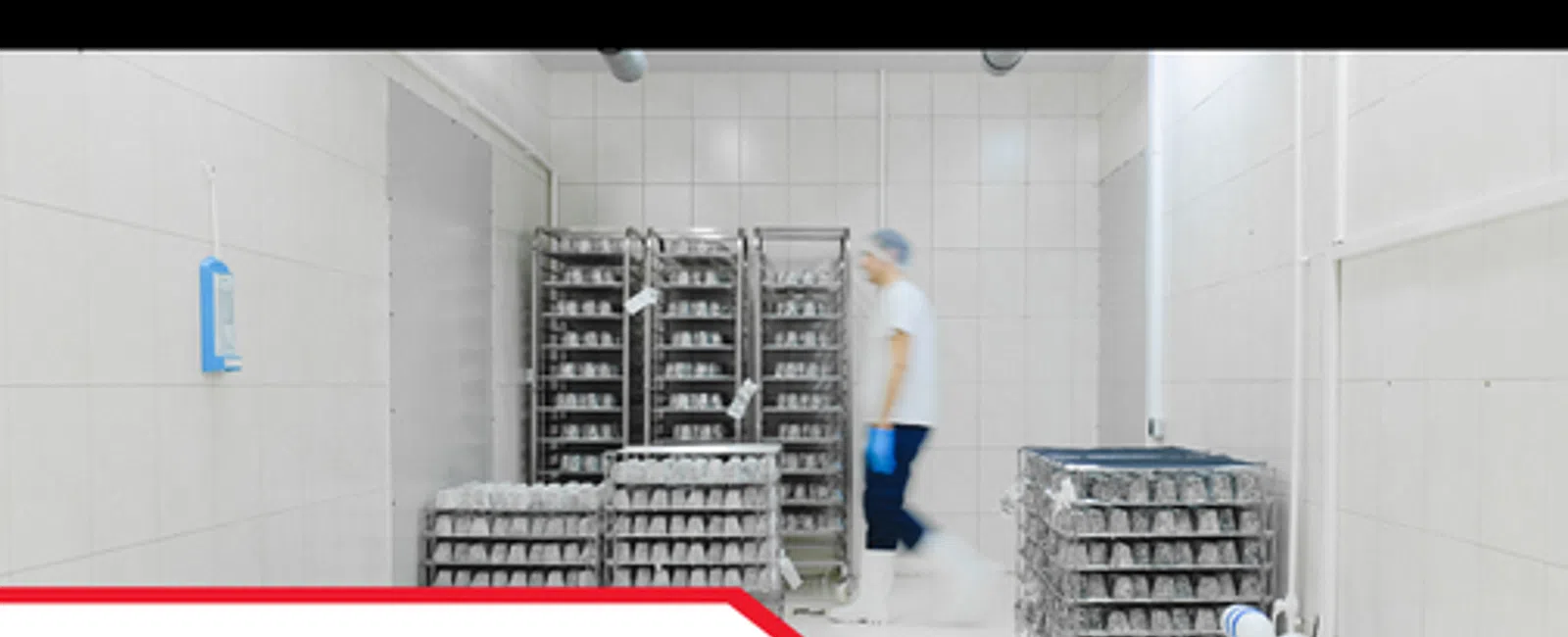
Cold storage warehouses and refrigerated facilities present property-condition considerations that can differ significantly from those of conventional warehouses. In addition to roofs, electrical systems, structural components, loading areas, pavement, and drainage, these properties may contain insulated wall and ceiling assemblies, temperature-controlled rooms, specialized doors, refrigeration equipment, extensive piping, and mechanical systems designed to maintain specific interior conditions.
For buyers, investors, owners, developers, facility managers, and lenders, a professional cold storage facility inspection can provide important information about the visible and accessible condition of the property. Deficiencies involving the insulated envelope, moisture management, roofing, electrical systems, floors, loading areas, or exterior drainage may influence maintenance priorities and capital planning even when specialized refrigeration equipment remains operational.
The distinction between property inspection and specialty evaluation is important. A commercial inspection can document visible building and equipment conditions within the agreed scope, but it is not refrigeration engineering, an energy audit, a food-safety inspection, an OSHA compliance assessment, an environmental assessment, or equipment certification. Complex refrigeration systems and industrial operations may require additional evaluations by qualified specialists.
Why Are Cold Storage Facilities Different From Conventional Warehouses?
Traditional warehouses can already be complex commercial properties, with large roof areas, loading docks, high-use floors, electrical infrastructure, truck courts, and substantial exterior sites. The WBDG guidance on warehouse facilities provides useful context for the building systems, operational areas, and functional requirements that can be involved in warehouse properties.
Cold storage facilities add another layer because portions of the building must maintain controlled temperatures.
Depending on the property, this may involve:
- Insulated wall and ceiling panels
- Refrigerated rooms
- Freezer spaces
- Specialized doors and seals
- Refrigeration equipment
- Extensive piping
- Condensate or drainage systems
- Increased electrical demand
- Specialized loading arrangements
The interaction among these components can make cold storage due diligence particularly important. A condition that appears relatively minor in a conventional warehouse may have additional implications when it affects the continuity of a temperature-controlled enclosure.
The Insulated Building Envelope Deserves Close Attention
The insulated envelope separates temperature-controlled spaces from surrounding conditions.
Depending on the building, inspectors may observe:
- Insulated wall panels
- Roof or ceiling assemblies
- Doors
- Door seals
- Panel joints
- Penetrations
- Damaged finishes
- Visible moisture
- Condensation
- Previous repairs
Damage to insulated panels or deteriorated seals can create questions about how well the enclosure is being maintained.
Penetrations also deserve attention. Piping, electrical conduits, structural components, refrigeration lines, and other systems may pass through insulated assemblies. Visible gaps, damaged seals, or previous alterations can identify locations where additional evaluation may be appropriate.
A general refrigerated facility inspection documents observable conditions. Determining exact thermal performance, vapor movement, insulation values, or refrigeration loads may require specialized analysis.
Thermal Anomalies Can Provide Additional Information
Infrared imaging may be useful in some cold storage inspections because temperature differences can help identify areas deserving closer investigation.
A thermal anomaly could be associated with several possible conditions, including differences in insulation, air movement, moisture, equipment operation, or construction details.
Infrared imaging does not see through walls and does not independently establish the cause of a temperature difference.
Where significant anomalies are identified, additional investigation may be appropriate before conclusions are made about concealed insulation or envelope performance.
Roof Condition Can Affect Temperature-Controlled Spaces
Cold storage facilities may have extensive commercial roof systems containing mechanical and refrigeration-related penetrations.
Visible roof observations may include:
- Roof coverings
- Flashing
- Penetrations
- Drainage
- Rooftop equipment
- Previous repairs
- Visible deterioration
- Evidence of water intrusion
Roof leaks can be concerning in any commercial building, but water intrusion into insulated assemblies can create additional maintenance questions in refrigerated facilities.
An inspector may document staining, deteriorated materials, damaged flashing, ponding, or previous repairs without assuming that concealed insulation has been affected.
When conditions suggest more extensive roofing or envelope concerns, further evaluation by qualified commercial roofing or building-envelope professionals may be appropriate.
Moisture and Condensation Require Careful Evaluation
Moisture management is one of the most important property-condition considerations in temperature-controlled buildings.
The EPA's Moisture Control Guidance provides broader context for understanding how building envelopes, HVAC systems, plumbing, drainage, and other building components can contribute to moisture conditions.
In a cold storage property, visible observations may include:
- Condensation
- Water staining
- Surface moisture
- Damaged insulation
- Floor moisture
- Ice formation
- Corrosion
- Drainage deficiencies
- Moisture around penetrations
Temperature differences between refrigerated spaces and surrounding environments can make moisture management particularly important.
However, finding moisture does not automatically establish its source.
Condensation, roof leakage, plumbing, refrigeration equipment, drainage, exterior water intrusion, or another condition could potentially contribute. Additional investigation may be required to determine the cause.
Ice Formation Can Be a Symptom, Not a Diagnosis
Visible ice inside or around refrigerated areas may provide useful information about current conditions.
Its presence might warrant investigation of doors, seals, penetrations, drainage, refrigeration equipment, or other nearby components.
An inspector should document where the ice is present and the surrounding visible conditions rather than immediately assigning a cause.
Specialized refrigeration professionals may be needed to determine whether the condition relates to equipment operation, temperature control, air infiltration, defrost operation, or another technical factor.
Refrigeration Equipment Has Important Scope Limits
Refrigeration equipment is essential to many cold storage operations, but a general property inspection is not a detailed refrigeration-system evaluation.
Within the agreed scope and where accessible, visible observations may involve:
- Equipment condition
- Refrigeration piping
- Supports
- Corrosion
- Apparent leakage indicators
- Equipment areas
- Physical damage
- Maintenance condition
These observations can identify conditions that deserve further investigation.
They do not establish refrigeration capacity, system efficiency, refrigerant charge, control performance, operating pressures, or the ability of the system to maintain required temperatures under all operating conditions.
Detailed performance testing, refrigerant evaluation, controls analysis, capacity verification, commissioning, and system engineering are specialty services that should be performed by appropriately qualified refrigeration or mechanical professionals.
Maintenance Records Add Valuable Context
Cold storage systems can contain equipment that is difficult to fully understand through a visual snapshot.
Buyers may benefit from requesting available documentation involving:
- Preventive maintenance
- Refrigeration service
- Equipment repairs
- Major replacements
- Roof repairs
- Envelope repairs
- Electrical work
- Door and seal maintenance
The WBDG Facilities Operations and Maintenance guidance provides broader context for preventive maintenance, equipment management, and long-term facility planning.
Maintenance records do not replace physical inspection, but they can help explain recurring conditions, previous repairs, and significant equipment investments.
Electrical Systems May Carry Significant Operational Demands
Cold storage facilities can have substantial electrical infrastructure serving refrigeration equipment, lighting, loading areas, controls, pumps, and other systems.
A commercial property inspection may include visible observations of:
- Main electrical equipment
- Distribution panels
- Visible wiring
- Equipment disconnects where accessible
- Lighting
- Corrosion
- Physical damage
- Signs of overheating
- Questionable modifications
Moisture and condensation can make corrosion particularly relevant in some areas.
Refrigeration equipment may also create significant electrical demands. A general inspection, however, should not determine whether the electrical system has adequate capacity for a buyer's proposed future operations without appropriate load calculations or engineering analysis.
If the buyer plans significant refrigeration expansion or equipment changes, evaluation by a qualified electrical professional or engineer may be appropriate.
Floors and Interior Surfaces Experience Heavy Use
Cold storage warehouses often depend on durable floors capable of supporting forklifts, pallet movement, storage systems, and frequent loading activity.
Inspectors may observe:
- Slab cracking
- Surface deterioration
- Settlement
- Damaged finishes
- Floor transitions
- Drainage
- High-traffic areas
- Loading zones
- Previous repairs
Cracking does not automatically indicate structural failure. Crack patterns, displacement, surrounding conditions, and other observations help determine whether further evaluation may be warranted.
Floor drainage can also be important in refrigerated or processing-related areas.
Standing water, damaged drains, uneven surfaces, or deteriorated floor transitions may create maintenance considerations that should be documented.
Loading Docks and Doors Are Important Property Components
Loading areas can experience intensive daily use.
Depending on the facility, a refrigerated warehouse inspection may include visible observations of:
- Loading docks
- Dock surfaces
- Dock doors
- Overhead doors
- Door seals
- Truck courts
- Pavement
- Exterior drainage
- Grading
- Walkways
Cold storage loading doors may also form part of the temperature-controlled envelope.
Damaged doors, deteriorated seals, or visible gaps may therefore affect more than ordinary building security or weather protection. They may also warrant additional evaluation from an operational or energy-management perspective.
Specialized dock equipment may require separate evaluation outside the standard commercial inspection scope.
Exterior Drainage and Pavement Can Affect the Facility
Large warehouse roofs, truck courts, and paved areas can generate substantial runoff.
Visible site observations may include:
- Ponding
- Damaged drainage structures
- Pavement cracking
- Settlement
- Potholes
- Erosion
- Grading toward the building
- Deteriorated walkways
Poor drainage can contribute to pavement deterioration and unwanted moisture near foundations, loading areas, or building-envelope components.
A commercial inspection can document visible site conditions but is not a civil engineering or stormwater compliance assessment.
Energy Use Is Relevant Without Turning the Inspection Into an Audit
Refrigeration can represent a significant operational energy demand, making equipment condition and envelope performance important considerations for property owners.
The U.S. Department of Energy FEMP resources on energy-efficient products and technologies provide broader context regarding energy-efficient equipment and technologies.
For buyers, observations involving deteriorated door seals, damaged insulated panels, aging equipment, or other visible conditions may raise questions about future efficiency improvements.
A commercial property inspection does not calculate facility energy consumption, model potential savings, or recommend a specific refrigeration design.
When energy performance is an important acquisition consideration, a dedicated energy audit or specialized engineering analysis may be appropriate.
Cold Storage Facilities Are Specialized Workplaces
Refrigerated warehouses may include loading operations, material handling, industrial equipment, refrigeration machinery, and other workplace conditions.
The OSHA General Industry Standards provide regulatory context for a wide range of workplace conditions and equipment found in industrial facilities.
That context should remain separate from the commercial property inspection.
LunsPro's inspection should not be represented as an OSHA compliance assessment, workplace-safety certification, or determination that an industrial operation meets regulatory requirements.
Likewise, a property inspection does not replace food-safety evaluations, environmental assessments, hazardous-material reviews, or specialized refrigeration safety evaluations.
Deferred Maintenance Can Affect Acquisition Planning
One of the primary benefits of a cold storage property inspection is identifying visible conditions that may affect maintenance and capital planning.
Findings may help organize needs into several categories.
Immediate Repair Considerations
Active leakage, damaged electrical equipment, significant door damage, water intrusion, or other conditions may warrant prompt attention.
Deferred Maintenance
Deteriorated seals, corrosion, roof repairs, damaged panels, floor deterioration, drainage problems, or neglected exterior components may indicate postponed maintenance.
Specialist Evaluations
Commercial roofing contractors, refrigeration professionals, electricians, structural engineers, building-envelope specialists, or other qualified professionals may be appropriate depending on the findings.
Potential Capital Expenditures
Roofing, pavement, electrical infrastructure, insulated-envelope repairs, doors, and major mechanical or refrigeration systems can represent significant future expenditures.
Cost-to-Cure Considerations
When deficiencies are substantial, property-specific contractor estimates or a Cost-to-Cure Assessment may provide additional information for acquisition planning.
Depending on transaction needs, due diligence may also involve a Property Condition Assessment, Building Condition Assessment, or Investor & Lender Package.
Cold Storage Inspections in Georgia, Florida, and North Carolina
LunsPro Inspection Group provides commercial inspection services in Georgia, Florida, and North Carolina, including commercial markets such as Atlanta, Savannah, Jacksonville, Charlotte, Raleigh, and Greensboro.
Cold storage properties in these markets can vary significantly. One facility may be a converted conventional warehouse with added refrigerated rooms, while another may have been purpose-built around large temperature-controlled spaces and centralized refrigeration equipment.
Age, previous use, maintenance history, renovations, refrigeration configuration, roof condition, electrical infrastructure, and loading operations can all influence inspection priorities.
For that reason, a commercial cold storage inspection should reflect the actual property and the client's due-diligence objectives rather than rely on assumptions about refrigerated facilities as a category.
Cold storage and refrigerated facilities combine conventional commercial building systems with specialized insulated environments, mechanical equipment, intensive electrical demands, and moisture-management considerations. These interactions can make physical property condition especially important when evaluating an acquisition.
A professional cold storage facility inspection can help buyers, investors, owners, developers, facility managers, and lenders identify visible building deficiencies, deferred maintenance, potential capital needs, and areas requiring specialist evaluation. Roofs, insulated panels, doors, floors, electrical systems, loading areas, pavement, drainage, and accessible mechanical components can all contribute useful information to commercial due diligence.
At the same time, the limits of the inspection should remain clear. A commercial property inspection is not refrigeration engineering, detailed refrigeration performance testing, an energy audit, OSHA compliance assessment, environmental assessment, food-safety evaluation, or equipment certification. Specialized questions should be directed to professionals qualified in those disciplines.
For cold storage properties in Georgia, Florida, and North Carolina, effective refrigerated property condition assessment begins with understanding the physical asset as it exists today. Combining current observations with maintenance records, specialist evaluations, and property-specific repair estimates can give stakeholders a stronger foundation for planning maintenance, evaluating Cost-to-Cure considerations, budgeting capital expenditures, and making informed commercial real estate decisions.