
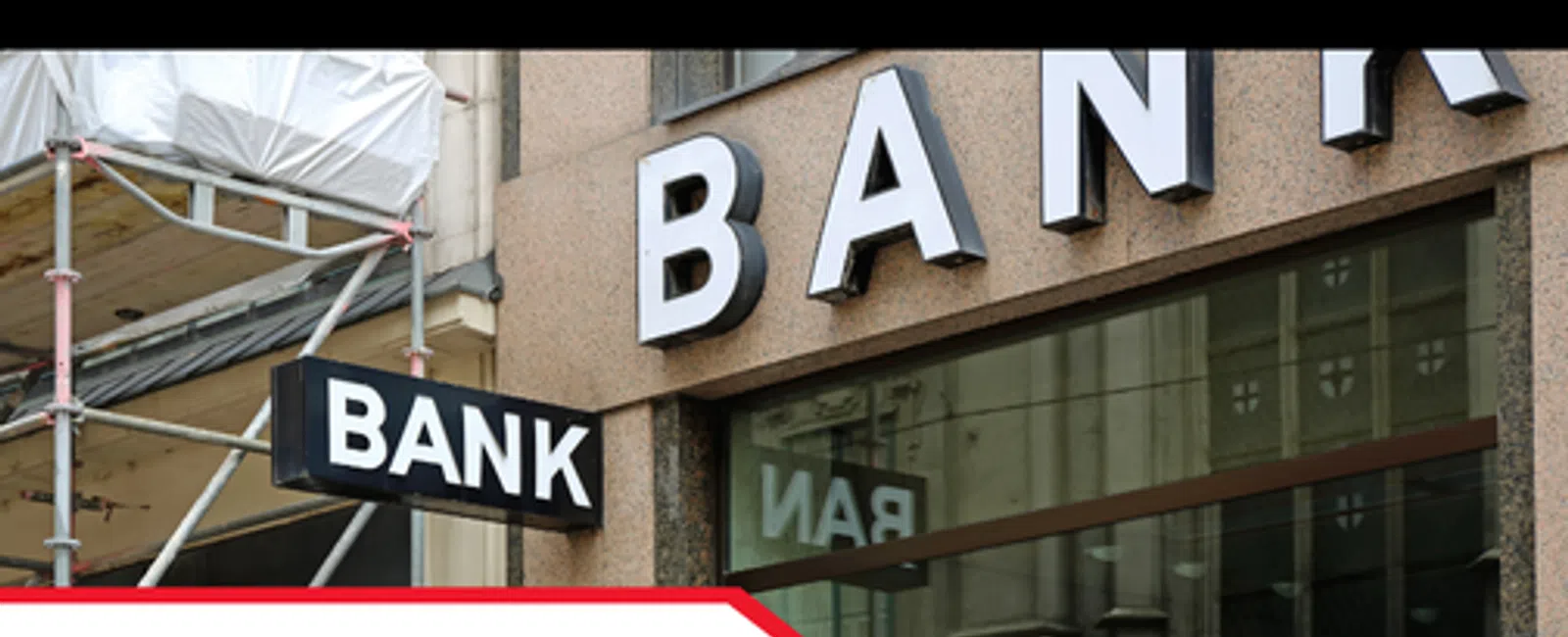
Banks, credit unions, and other financial office properties may look similar to conventional commercial office buildings, but their physical configurations can introduce additional considerations during property due diligence. A financial property may combine customer-facing areas, private offices, conference rooms, specialized built-in spaces, drive-through lanes, canopies, extensive parking, and conventional roofing, HVAC, electrical, and plumbing systems.
For buyers, investors, owners, asset managers, property managers, and lenders, a professional bank property inspection can help establish a clearer understanding of the visible and accessible condition of these building and site components. The focus is not on banking operations or financial regulation. Instead, the inspection considers the physical asset, including maintenance concerns, previous alterations, visible deterioration, deferred maintenance, and potential capital needs.
Specialized banking equipment also creates important inspection boundaries. Vaults, safes, ATMs, surveillance systems, alarms, access-control systems, pneumatic tubes, and other security-related equipment generally require separate evaluation when their condition or performance is relevant to a transaction. A commercial property inspection should not be represented as a security assessment, engineering study, code-compliance inspection, or certification of specialized banking systems.
What Does a Bank Property Inspection Evaluate?
A financial institution property inspection generally focuses on the same major physical systems considered in other commercial properties, while accounting for the building's particular configuration and use.
Depending on the property and agreed scope, observations may include:
- Roof systems
- Exterior walls and building envelope
- HVAC equipment
- Electrical systems
- Plumbing
- Interior spaces
- Accessible structural components
- Parking areas
- Drive-through areas
- Walkways
- Drainage
- Visible accessibility-related conditions
The WBDG guidance on office buildings provides useful context regarding the systems, layouts, and functional considerations associated with office facilities. Financial offices often contain many of these conventional office-building components while adding specialized customer and banking areas.
The goal of a commercial bank inspection is to understand observable property condition rather than determine whether the facility is suitable for a particular banking operation.
Roof Condition Can Affect Future Capital Planning
Roof systems can represent a substantial maintenance and capital consideration for financial properties.
An inspector may observe:
- Roof coverings
- Flashing
- Penetrations
- Roof drainage
- Parapets where present
- Rooftop mechanical equipment
- Visible deterioration
- Previous repairs
- Evidence of leakage
A roof should be evaluated according to its actual visible condition rather than assumptions based solely on building age.
For example, an older bank property may have undergone a relatively recent roof replacement, while a newer building may contain drainage deficiencies, damaged flashing, or localized deterioration.
Evidence of previous repairs can also provide useful context. Repeated patches, sealant repairs, or interior staining may justify additional investigation or review of available roofing records.
When significant conditions are identified, evaluation by a qualified commercial roofing professional may be appropriate.
Exterior Walls, Windows, and Doors
The building envelope includes more than the roof.
Visible exterior observations may involve:
- Wall finishes
- Masonry
- Siding or panels
- Windows
- Exterior doors
- Sealants
- Penetrations
- Previous repairs
- Visible moisture intrusion
Banks may have large customer-facing windows, multiple entrances, drive-through components, or exterior penetrations associated with specialized equipment.
Deteriorated sealants, damaged finishes, staining, or visible gaps can identify maintenance needs. However, a general commercial inspection cannot always determine the full extent or source of concealed building-envelope problems.
Specialized building-envelope evaluation may be appropriate when significant leakage or deterioration is observed.
HVAC and Indoor Building Conditions
Financial offices may rely on rooftop units, split systems, central HVAC equipment, air handlers, ventilation systems, and other mechanical components.
Depending on accessibility and inspection scope, observations may include:
- HVAC equipment
- Rooftop units
- Accessible ductwork
- Ventilation components
- Condensate drainage
- Visible corrosion
- Maintenance condition
- Evidence of moisture
- Equipment operation where appropriate
The EPA Building Air Quality Guide provides broader guidance for building owners and facility managers regarding HVAC operation, ventilation, moisture, maintenance, and indoor building conditions.
A commercial inspection can identify visible conditions related to these systems, but it is not comprehensive indoor-air-quality testing.
Inspectors do not determine contaminant concentrations, certify ventilation performance, or perform industrial-hygiene assessments as part of a standard commercial office inspection. When specific indoor environmental concerns exist, additional evaluation by an appropriate professional may be warranted.
HVAC Maintenance History Adds Context
Available maintenance records can help buyers better understand mechanical-system condition.
Useful documentation may include:
- Preventive maintenance records
- Service agreements
- Equipment replacement dates
- Major repair invoices
- Warranty information
- Recurring service calls
Equipment age can provide context but should not be treated as proof that replacement is immediately required.
An older unit that has received regular maintenance may present different due-diligence considerations from newer equipment with visible corrosion, leakage, damage, or neglected maintenance.
Electrical Systems May Reflect Previous Alterations
Financial properties can contain electrical infrastructure serving offices, customer areas, exterior lighting, drive-through areas, HVAC systems, signs, and other equipment.
A bank building inspection may include visible observations of:
- Main electrical equipment
- Distribution panels
- Visible wiring
- Lighting
- Exterior lighting
- Tenant modifications
- Equipment connections where accessible
- Signs of damage or overheating
Previous renovations can result in multiple generations of electrical work within the same property.
Office layouts may have changed, lighting may have been upgraded, equipment added, or customer areas remodeled. Visible alterations are not automatically defective, but questionable modifications may warrant evaluation by a qualified electrician.
A standard inspection does not include comprehensive electrical engineering, load calculations, or certification that the system can support a buyer's proposed future equipment.
Security and Banking Equipment Require Separate Evaluation
Banks may contain equipment and built-in features that fall outside the scope of a conventional property inspection.
These can include:
- Vaults
- Safes
- ATMs
- Surveillance equipment
- Alarm systems
- Access-control systems
- Pneumatic tube systems
- Banking-specific electronic equipment
An inspector may observe surrounding building conditions when those areas are accessible, but should not certify the operation, security, resistance, reliability, or regulatory suitability of this equipment.
If these systems are important to the transaction, buyers should arrange evaluation by qualified specialty professionals.
The physical condition of the building and the effectiveness of its security systems are separate due-diligence questions.
Plumbing and Water Management
Banks and financial offices may have fewer plumbing fixtures than some other commercial property types, but plumbing remains an important building system.
Visible observations may include:
- Restrooms
- Plumbing fixtures
- Accessible supply piping
- Drain components
- Water heaters
- Visible leaks
- Corrosion
- Water staining
The EPA WaterSense guidance for commercial buildings provides broader context for water management, fixture performance, leak detection, and efficient water use in commercial properties.
A property inspection is not a comprehensive water-efficiency audit, but visible leakage or deteriorated plumbing components can identify maintenance needs.
Even a relatively small leak can contribute to deterioration if it remains unresolved over time.
Interior Areas Can Reveal More Than Cosmetic Condition
Financial properties may include:
- Customer service areas
- Private offices
- Conference rooms
- Corridors
- Break rooms
- Restrooms
- Interior storage
- Specialized built-in spaces
During a financial office inspection, visible observations may include walls, ceilings, floors, doors, finishes, moisture staining, damaged materials, and evidence of previous repairs.
Cosmetic quality should not be confused with overall building condition.
A renovated lobby, for example, does not establish the condition of the roof, HVAC equipment, electrical distribution, or concealed plumbing. Conversely, older interior finishes do not necessarily indicate that major building systems have been poorly maintained.
The physical systems should be evaluated independently.
Drive-Through Areas Add Exterior Components
Many bank branches contain drive-through lanes and canopies that introduce additional property components.
Where present and within scope, inspectors may observe:
- Drive-through pavement
- Canopies
- Visible structural components
- Curbs
- Drainage
- Exterior finishes
- Lighting
- Overhead clearance-related components
- Walkways
Canopies may exhibit deterioration, corrosion, damaged finishes, drainage problems, or evidence of previous repairs.
Specialized pneumatic tubes, communication equipment, cameras, transaction systems, or other banking equipment within the drive-through area generally require separate evaluation.
Parking, Pavement, and Drainage
Bank properties can have substantial exterior sites relative to the size of the building.
Inspection observations may include:
- Parking surfaces
- Pavement cracking
- Potholes
- Settlement
- Curbs
- Sidewalks
- Exterior stairs
- Drainage structures
- Ponding
- Grading
Exterior conditions can become meaningful capital considerations.
A few isolated pavement cracks may represent routine maintenance, while widespread deterioration or settlement may justify further evaluation and budgeting.
Drainage is also important because poorly managed runoff can contribute to pavement deterioration and unwanted moisture near building-envelope or foundation components.
Accessibility Observations Have Defined Limits
Customer-facing financial properties may include accessibility-related features involving parking, routes, entrances, doors, customer areas, and restrooms.
The 2010 ADA Standards for Accessible Design provide detailed federal accessibility requirements that can offer useful context when evaluating commercial properties.
Depending on scope, an inspector may make visible observations involving:
- Accessible parking
- Routes from parking areas
- Entrances
- Doorways
- Customer areas
- Common spaces
- Restrooms
A standard bank property inspection, however, is not a formal ADA compliance survey.
Comprehensive accessibility assessments can require detailed measurements, documentation review, legal analysis, and specialized expertise beyond the scope of a general commercial property inspection.
Maintenance History Can Strengthen Due Diligence
A physical inspection provides a snapshot of current observable conditions. Maintenance records can provide valuable historical context.
The WBDG Facilities Operations and Maintenance guidance emphasizes the importance of organized maintenance and long-term facility management.
For financial properties, buyers may benefit from requesting records involving:
- Roof maintenance
- HVAC service
- Plumbing repairs
- Electrical upgrades
- Exterior repairs
- Pavement work
- Water intrusion
- Major renovations
Documentation can help distinguish a one-time repair from a recurring issue and identify major components that have already been replaced or upgraded.
Records supplement the inspection but do not replace it.
Deferred Maintenance and Capital Planning
A bank property condition assessment can help buyers and other stakeholders organize findings according to their potential impact.
Immediate Repair Considerations
Active leaks, damaged electrical components, significant roof deficiencies, or other conditions may require prompt attention.
Deferred Maintenance
Deteriorated sealants, aging finishes, pavement repairs, HVAC servicing, plumbing deficiencies, or roof maintenance may indicate work that has been postponed.
Specialist Evaluations
Depending on findings, further evaluation may be recommended by commercial roofing contractors, HVAC professionals, electricians, plumbers, structural engineers, building-envelope specialists, or other qualified professionals.
Potential Capital Expenditures
Roof systems, HVAC equipment, pavement, exterior walls, electrical infrastructure, and other major components can create future capital requirements.
Cost-to-Cure Considerations
When significant deficiencies are identified, property-specific contractor estimates or a Cost-to-Cure Assessment may help buyers better understand potential repair expenditures.
Depending on the transaction, due diligence may also include a Property Condition Assessment, Building Condition Assessment, or Investor & Lender Package.
Bank Property Inspections in Georgia, Florida, and North Carolina
LunsPro Inspection Group provides commercial inspection services in Georgia, Florida, and North Carolina, including markets such as Atlanta, Athens, Savannah, Jacksonville, Charlotte, Raleigh, and Greensboro.
Financial properties in these markets can vary substantially. Some may be freestanding bank branches with drive-through facilities and large parking areas. Others may be financial offices located within multi-tenant commercial buildings.
Building age, renovation history, roof configuration, HVAC systems, previous tenant improvements, exterior site conditions, and maintenance practices can all influence inspection priorities.
For that reason, a commercial office building inspection should be tailored to the actual property and the client's due-diligence objectives rather than assumptions about banks or financial institutions as a category.
Banks, credit unions, and financial offices combine conventional commercial building systems with customer-facing spaces and, in some cases, specialized built-in features and drive-through facilities. A professional bank property inspection can help stakeholders understand the visible condition of roofs, exterior walls, HVAC equipment, electrical systems, plumbing, interiors, pavement, drainage, and other physical components.
Inspection findings can also help identify immediate repairs, deferred maintenance, specialist evaluations, and potential capital expenditures. When combined with maintenance records and property-specific estimates where appropriate, this information can strengthen bank property due diligence and longer-term facility planning.
The boundaries of the inspection remain important. A commercial property inspection does not certify vaults, safes, ATMs, surveillance systems, alarms, access-control systems, pneumatic tubes, or other banking-specific equipment. It is also not an engineering study, code-compliance inspection, formal ADA survey, indoor-air-quality assessment, or security evaluation.
For financial properties in Georgia, Florida, and North Carolina, effective due diligence begins by evaluating the building as a physical asset. Understanding its current condition, maintenance history, visible deficiencies, and potential repair needs gives buyers, investors, owners, asset managers, property managers, and lenders better information for making commercial real estate decisions.