Moisture intrusion is an important consideration when evaluating commercial property condition. Water can enter a building through damaged roofing, deteriorated exterior materials, plumbing leaks, HVAC condensation, or inadequate drainage. Depending on the source and duration of exposure, moisture may affect ceilings, walls, flooring, insulation, framing, and other building components.
For commercial buyers, investors, owners, property managers, and facility operators, understanding visible moisture conditions is an important part of property due diligence. A commercial moisture intrusion inspection can help identify evidence of water intrusion, document affected areas, and determine when further evaluation may be appropriate. However, visible staining or water damage does not automatically confirm mold contamination.
Commercial buildings often contain interconnected systems that influence moisture management. A roof leak may affect several interior spaces, while an HVAC condensate problem can create localized deterioration around mechanical equipment. Understanding the potential source of moisture is generally more useful than evaluating discoloration alone.
Why Moisture Intrusion Matters in Commercial Buildings
Moisture intrusion in commercial buildings can affect both building materials and long-term maintenance planning.
Depending on the circumstances, prolonged moisture exposure may contribute to:
- Deterioration of ceiling materials and interior finishes
- Damage to drywall, flooring, and insulation
- Corrosion of certain building components
- Deterioration of wood and other moisture-sensitive materials
- Damage around HVAC equipment
- Recurring maintenance requirements
- Conditions that may support microbial growth
The EPA's guidance on mold remediation in schools and commercial buildings emphasizes the importance of addressing moisture problems and understanding the relationship between water intrusion and mold growth.
A commercial property inspection can document visible conditions associated with moisture, but it does not automatically establish the presence, type, or extent of mold contamination.
The objective is to identify observable concerns, consider potential moisture sources, and recommend appropriate follow-up when necessary.
Common Sources of Commercial Moisture Intrusion
Commercial properties may experience water intrusion from multiple sources.
Some originate outside the building, while others develop within plumbing, mechanical, or drainage systems.
Common sources include:
- Roof leaks and damaged flashing
- Inadequate roof drainage
- Deteriorated exterior walls
- Window and door leakage
- Failed or deteriorated sealants
- Plumbing leaks
- HVAC condensate problems
- Foundation moisture
- Poor grading and site drainage
- Water intrusion around penetrations
- Previously repaired areas with recurring leakage
A commercial water intrusion inspection considers visible evidence alongside surrounding building conditions.
For example, ceiling staining near a rooftop HVAC unit may warrant examination of nearby roofing, flashing, condensate drainage, and accessible mechanical components.
However, an inspector should not assume that the rooftop equipment caused the staining without sufficient supporting evidence.
Roof Systems and Building Envelope Conditions
The roof and building envelope are essential components of commercial moisture management.
A commercial roof inspection may include observations of accessible roof coverings, flashing, penetrations, drainage components, and previous repairs.
Roof Coverings, Flashing, and Drainage
Depending on accessibility and inspection scope, inspectors may evaluate:
- Roof membrane or covering conditions
- Flashing around penetrations
- Roof-to-wall transitions
- Roof drains and scuppers
- Gutters and downspouts
- Visible ponding
- Damaged materials
- Evidence of previous repairs
Commercial roofs may contain numerous penetrations associated with HVAC equipment, vents, plumbing, and other building systems.
Deterioration around these areas can create potential pathways for water intrusion.
Standing water or inadequate drainage may also deserve attention, particularly when accompanied by visible deterioration or interior leakage.
Not every area of roof ponding establishes a defect, and a visual inspection cannot determine every concealed roofing condition. Significant findings may warrant evaluation by a qualified commercial roofing contractor.
Exterior Walls, Windows, and Doors
A building envelope inspection may include visible observations of exterior walls, windows, doors, sealants, joints, and penetrations.
Deteriorated sealants, damaged exterior finishes, and questionable transitions may contribute to recurring moisture problems.
The EPA's moisture control guidance for building design, construction, and maintenance discusses the importance of managing water through appropriate building-envelope design, drainage, construction, and maintenance practices.
Inspectors can identify visible deficiencies and evidence of previous water intrusion, but concealed damage may require specialized investigation.
Plumbing Leaks and Interior Water Damage
Plumbing systems represent another potential source of commercial moisture damage.
Commercial properties may contain extensive water distribution and drainage systems serving restrooms, kitchens, break rooms, mechanical equipment, and tenant spaces.
Depending on the property, inspectors may observe:
- Accessible supply piping
- Drain components
- Plumbing fixtures
- Water heaters
- Visible corrosion
- Active leakage
- Water staining
- Damaged surrounding finishes
Moisture around plumbing fixtures does not always indicate a concealed pipe failure. Leakage may originate from fixture connections, drains, supply components, or other nearby sources.
A commercial moisture inspection can document observable conditions, while additional plumbing diagnostics may be needed to determine the exact source.
Commercial HVAC Condensation and Moisture
Heating, ventilation, and air-conditioning systems can also influence moisture conditions inside commercial buildings.
Cooling equipment removes moisture from indoor air during normal operation. That moisture must be collected and drained appropriately.
When condensate systems are obstructed, damaged, improperly maintained, or otherwise not functioning as intended, water may accumulate around mechanical equipment.
HVAC Components Inspectors May Evaluate
Visible observations may involve:
- Condensate drain lines
- Drain pans
- Water staining around equipment
- Visible HVAC leakage
- Accessible ductwork
- Condensation on surfaces
- Equipment corrosion
- Apparent maintenance deficiencies
Commercial HVAC condensation can contribute to deterioration when moisture repeatedly affects ceilings, insulation, flooring, or other materials.
Condensation on ductwork may also be influenced by insulation, temperature differences, humidity, and surrounding environmental conditions.
A standard commercial property inspection does not replace detailed HVAC diagnostics, mechanical engineering, or comprehensive indoor-air-quality assessment.
When significant moisture or equipment concerns are observed, further evaluation by a qualified HVAC professional may be appropriate.
Foundation Moisture and Exterior Drainage
Not all moisture problems originate above the building.
Poor grading, inadequate site drainage, damaged drainage components, or water accumulation near the foundation may contribute to unwanted moisture conditions.
Depending on the property, inspectors may observe:
- Ground slopes near the building
- Surface drainage patterns
- Downspout discharge locations
- Visible ponding
- Foundation staining
- Accessible below-grade areas
- Signs of previous water intrusion
Commercial sites often contain extensive pavement, parking areas, sidewalks, and landscaped sections that influence how stormwater moves around the property.
A visual inspection can identify apparent drainage concerns but does not replace civil engineering, geotechnical investigation, or specialized waterproofing evaluation.
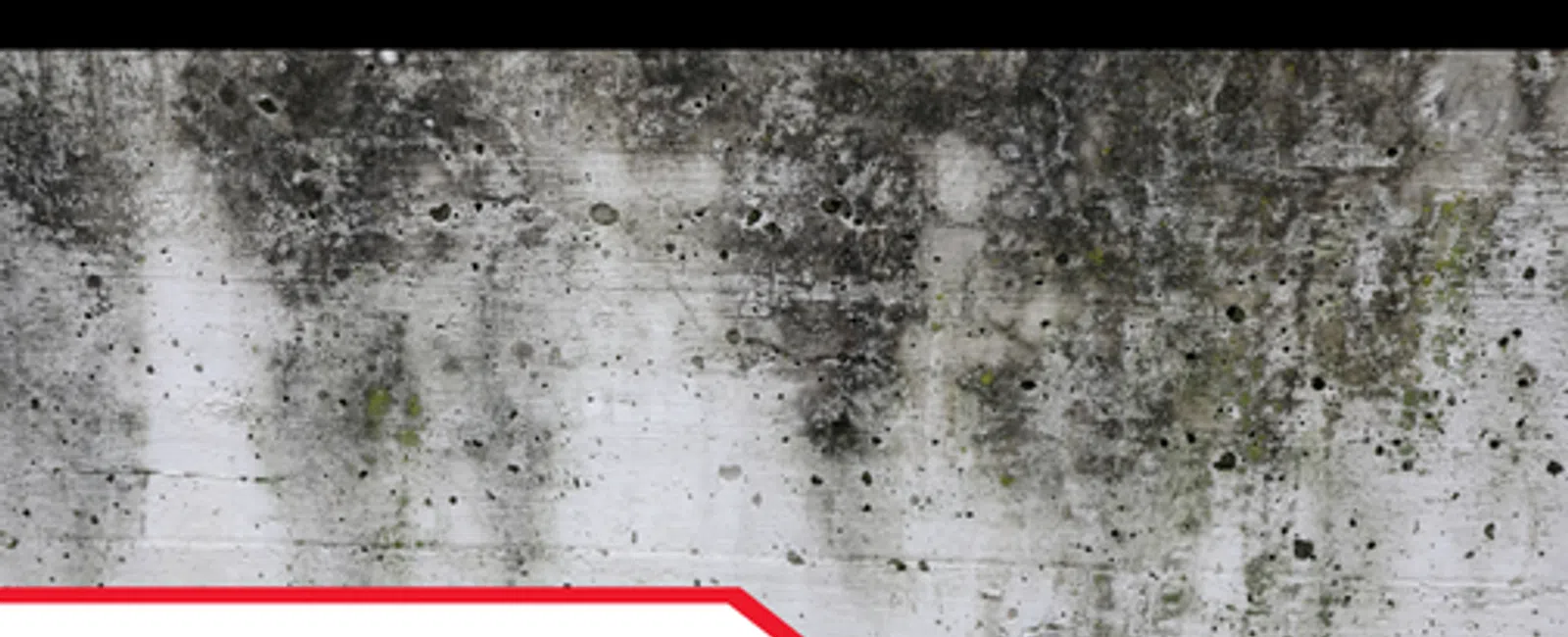
Visible Staining Does Not Automatically Confirm Mold
One of the most important distinctions in evaluating commercial building mold concerns is understanding what visible conditions actually establish.
An inspector may encounter discoloration, staining, deteriorated materials, or growth-like substances during an inspection.
These observations are not interchangeable.
Water Staining
Staining may indicate current or previous moisture exposure. It does not independently establish whether the material remains wet or whether microbial growth is present.
Water-Damaged Materials
Swollen drywall, deteriorated ceiling tiles, damaged flooring, or other affected materials may indicate moisture exposure.
The extent of concealed damage may remain unknown.
Suspected Microbial Growth
Visible growth-like material may warrant specialized evaluation, but appearance alone does not establish a particular mold species or confirm the extent of contamination.
Confirmed Mold Conditions
Confirmation may require evaluation by an appropriately qualified professional, depending on the circumstances and assessment objectives.
The EPA's educational guidance on mold and moisture explains why moisture is central to mold growth conditions and why identifying and correcting water sources is important.
A standard commercial property inspection does not necessarily include mold sampling, laboratory analysis, air-quality testing, environmental assessment, or remediation.
Inspectors should document what is observed without representing visual findings as definitive laboratory conclusions.
How Moisture Detection Tools Support Inspections
Certain tools may help inspectors investigate visible moisture concerns.
However, no single tool can identify every concealed condition.
Moisture Meters
Moisture meters may help evaluate moisture-related readings in accessible materials.
Results depend on the meter type, material, conditions, and measurement method. Readings should be interpreted alongside visual observations and other available information.
Infrared Thermal Imaging
Infrared cameras detect surface-temperature differences.
Under suitable conditions, unusual temperature patterns may help identify areas deserving further moisture investigation.
However, infrared cameras do not see through walls or directly detect water or mold.
Temperature differences may also result from insulation, air movement, HVAC operation, sunlight, or variations in building materials.
Suspicious thermal patterns should be evaluated using supporting observations or measurements when appropriate.
Photographic Documentation
Photographs can help document staining, deteriorated materials, visible leakage, previous repairs, and other observable conditions.
Documentation provides useful information for maintenance planning, contractor evaluation, and commercial property due diligence.
What Happens When Moisture Concerns Are Found?
A commercial inspection finding does not automatically establish that extensive repairs or remediation are necessary.
The appropriate response depends on the location, severity, apparent source, and available supporting evidence.
Potential next steps may include:
- Further roof evaluation
- Plumbing diagnostics
- HVAC servicing or investigation
- Building-envelope evaluation
- Drainage assessment
- Moisture investigation
- Specialized environmental or mold assessment
- Contractor repair estimates
Where mold remediation is warranted, that work should be addressed through appropriately qualified professionals and a suitable remediation scope.
The role of the commercial inspector is to document observable property conditions and identify when additional investigation may be appropriate, not to perform remediation as part of a standard property inspection.
Moisture Concerns and Deferred Maintenance
Recurring moisture problems may indicate maintenance needs that have not been fully addressed.
For example, repeated ceiling repairs without correcting an underlying roof leak may result in continued deterioration.
Similarly, recurring HVAC condensate leakage may require more than replacement of damaged ceiling materials.
The WBDG guidance on facilities operations and maintenance provides broader context regarding preventive maintenance, facility management, and long-term building performance.
Maintenance documentation can help buyers understand whether moisture-related conditions represent isolated events or recurring concerns.
Useful records may include roof repairs, plumbing service, HVAC maintenance, previous water-damage work, and related contractor evaluations.
How Moisture Findings Affect Commercial Due Diligence
Documented moisture concerns may influence repair planning and financial decisions.
Depending on the findings, a commercial moisture intrusion inspection may help identify:
Immediate Repairs
Active leakage, significant water accumulation, or deteriorated materials may warrant prompt attention.
Deferred Maintenance
Aging roof components, deteriorated sealants, drainage deficiencies, or neglected HVAC maintenance may require scheduled repairs.
Capital Expenditures
Significant roofing, envelope, plumbing, or mechanical-system deficiencies may create future capital requirements.
Specialist Evaluations
Qualified contractors, engineers, environmental professionals, or other specialists may be needed to determine the cause and extent of certain conditions.
Cost-to-Cure Considerations
When substantial deficiencies are identified, property-specific contractor estimates or Cost-to-Cure Assessments may help stakeholders understand potential repair expenditures.
Depending on the transaction, moisture-related findings may also be considered within a Property Condition Assessment, Building Condition Assessment, or Investor & Lender Package.
These services can support informed decisions without representing a general commercial inspection as a comprehensive environmental assessment.
Commercial Moisture Inspections in the Southeast
Commercial buildings throughout the Southeast experience varying combinations of rainfall, humidity, cooling demands, and seasonal weather conditions.
These factors can influence building-envelope performance, roof drainage, HVAC condensation, and moisture management.
However, regional climate alone does not establish that a particular property has moisture problems.
LunsPro Inspection Group provides commercial inspection services in Georgia, Florida, and North Carolina, including markets such as Atlanta, Savannah, Jacksonville, Charlotte, Raleigh, and Greensboro.
A commercial property in Jacksonville may have different roof and humidity-related considerations from a property in Charlotte or Greensboro. Buildings in Atlanta, Savannah, and Raleigh may also vary in age, construction materials, mechanical systems, drainage, and maintenance history.
Each property should be evaluated according to its actual observable condition rather than assumptions based solely on location or building age.
Moisture intrusion is an important commercial property consideration because water can affect roofing, exterior walls, HVAC systems, plumbing, foundations, interior finishes, and other building components. Visible staining, damaged materials, or unusual moisture readings can provide valuable information, but they do not automatically confirm mold contamination or establish the full extent of concealed damage.
A professional commercial moisture intrusion inspection focuses on documenting observable conditions, considering potential water sources, and identifying situations that may warrant additional evaluation. Moisture meters, infrared imaging, photographs, and visual observations can support this process, but each method has limitations.
For commercial buyers, investors, owners, property managers, and facility operators, these findings can contribute to maintenance planning, repair prioritization, capital budgeting, and broader property due diligence.
LunsPro Inspection Group supports commercial property evaluations throughout Georgia, Florida, and North Carolina, helping stakeholders better understand visible building conditions and potential maintenance needs. By focusing on evidence, moisture-source investigation, and appropriate specialist follow-up, commercial inspections can provide useful information without confusing property-condition observations with mold testing, environmental assessment, or remediation.