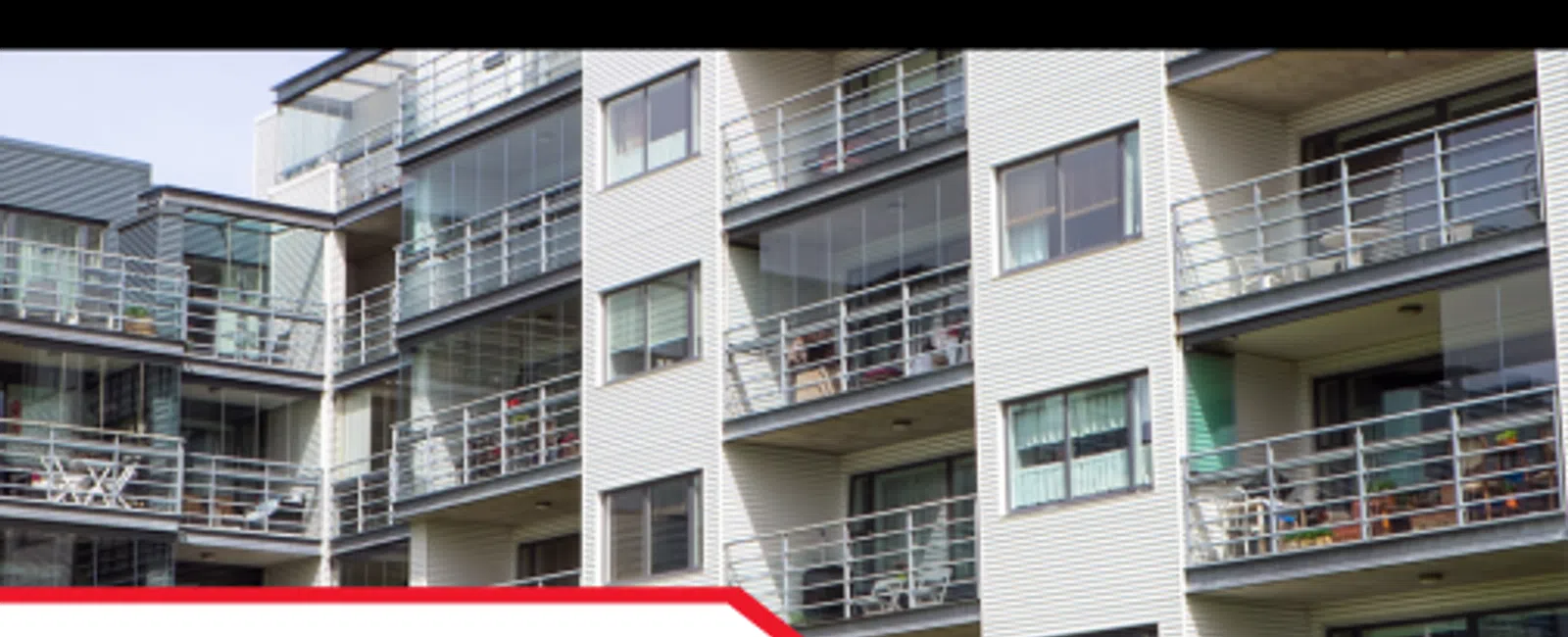
Multifamily properties are complex commercial assets because they combine residential occupancy with shared building systems, common areas, exterior infrastructure, and long-term maintenance responsibilities. Apartment buildings, garden-style communities, townhome developments, mixed-density housing, and larger multifamily complexes may contain dozens or hundreds of units that depend on common roofing, drainage, electrical distribution, plumbing, structural components, parking areas, and life-safety features. A professional multi-family property inspection in NC helps owners, buyers, investors, developers, property managers, lenders, and asset managers understand how these systems are performing before acquisition and throughout ownership.
Unlike a single-family home inspection, a commercial multifamily inspection must consider both individual components and the systems that affect multiple occupants at once. A roof leak may damage several units. A drainage problem may affect foundations, walkways, landscaping, and lower-level spaces across an entire building. Aging central mechanical equipment may influence operating costs and tenant comfort on multiple floors. Deferred maintenance in one shared component can therefore create broader financial and operational consequences than a similar issue in a smaller residential property.
North Carolina's climate and growing real estate markets add another layer of importance. Properties in Charlotte, Raleigh, Greensboro, and surrounding communities experience heavy rainfall, humidity, seasonal storms, changing temperatures, and varying soil conditions. These factors can influence roofing, exterior walls, crawlspaces, foundations, drainage, paving, and HVAC equipment over time. For owners and investors, understanding those conditions before they become major repair expenses is a key part of responsible asset management.
LunsPro Inspection Group provides North Carolina Commercial Inspections, including Charlotte Commercial Inspections, Raleigh Commercial Inspections, and Greensboro Commercial Inspections, as part of broader Southeast Commercial Inspections services. Through detailed Commercial Property Inspections, Multi-Family Property Inspections, and other targeted evaluations, commercial stakeholders can gain a clearer picture of current building conditions, maintenance priorities, and potential capital needs.
Why Multifamily Properties Require a Different Inspection Approach
Multifamily buildings combine residential use with commercial-scale systems. That means the inspection must account for occupancy, shared infrastructure, tenant access, and property-wide maintenance patterns.
Key areas may include:
- Roofing systems
- Exterior walls and building envelopes
- Foundations and visible structural components
- Common-area interiors
- Stairwells and corridors
- Parking lots and walkways
- Mechanical systems
- Electrical distribution
- Plumbing systems
- Drainage and grading
- Exterior lighting
- Life-safety observations
- Accessible tenant units where included in scope
The inspection scope should be defined before the site visit. A 12-unit apartment building may require a different approach than a 300-unit garden-style complex or a multi-building property with shared amenities.
The goal is to identify visible property conditions that may affect safety, maintenance, operating expenses, tenant satisfaction, or long-term capital planning.
Common Areas Reveal a Great Deal About Property Condition
Common spaces are often among the most revealing areas of a multifamily property because they experience consistent use and shared maintenance.
Inspectors may evaluate:
- Lobbies
- Hallways
- Stairways
- Laundry rooms
- Utility areas
- Shared restrooms
- Clubhouses
- Fitness rooms
- Exterior walkways
- Mechanical rooms
Repeated staining, damaged flooring, deteriorated wall finishes, loose railings, moisture damage, or deferred repairs may indicate broader maintenance concerns.
Common areas also influence tenant experience directly. While cosmetic conditions may not always represent major structural risk, widespread deterioration can affect leasing appeal and may signal that ownership has postponed other maintenance throughout the property.
Roofing Systems Can Affect Multiple Units at Once
Roofing is one of the most important components of any commercial multifamily inspection because a single roof often protects several occupied units.
Inspectors may observe:
- Membrane or shingle condition
- Flashing
- Roof penetrations
- Drainage systems
- Gutters and downspouts
- Ponding water
- Failed sealants
- Previous repairs
- Interior evidence of leakage
Roof deficiencies can create extensive repair costs if water reaches framing, insulation, ceilings, electrical components, or occupied units.
For large or difficult-to-access roofing systems, Drone Inspections may provide additional visual information. Aerial imagery can help document broad roof areas, drainage patterns, damaged sections, and locations that are difficult to evaluate from conventional access points.
Drone observations supplement rather than replace appropriate physical inspection.
Building Envelope and Moisture Concerns
The building envelope includes exterior walls, windows, doors, siding, masonry, flashing, sealants, and other materials that protect interior spaces from weather.
Multifamily properties may contain hundreds of windows, doors, joints, and wall penetrations. Each one represents a potential pathway for moisture intrusion if materials deteriorate.
Inspectors may identify:
- Failed sealants
- Cracked cladding
- Damaged siding
- Window perimeter gaps
- Corrosion
- Water stains
- Efflorescence
- Deteriorated trim
- Previous patching
- Moisture-damaged finishes
When visible conditions suggest concealed water entry, Infrared Inspections may help identify thermal anomalies that deserve closer evaluation. Infrared imaging does not confirm moisture by itself, but it can help guide targeted investigation.
Where persistent moisture, visible suspect growth, or musty conditions exist, Mold Testing may also be appropriate depending on the specific property conditions.
Plumbing Systems Can Create Property-Wide Problems
Multifamily plumbing systems may be among the most heavily used building systems.
They can include:
- Domestic water supply lines
- Waste and drainage piping
- Water heaters
- Boilers
- Laundry connections
- Unit fixtures
- Exterior hose connections
- Floor drains
- Utility piping
A small leak in an upper-level unit may affect several apartments below. Recurring drain backups can disrupt tenants across an entire building.
Inspectors may document visible leakage, corrosion, staining, damaged fixtures, slow drainage, or previous repairs.
For older properties, recurring sewer problems, or buildings with uncertain underground drainage conditions, Sewer Scope Inspections may provide additional information about accessible sewer lines. This can be especially useful when property history suggests root intrusion, blockages, damaged piping, or recurring backups.
Electrical Systems and Shared Distribution
Electrical infrastructure in multifamily properties may include:
- Main service equipment
- Building distribution panels
- Meter banks
- Unit panels
- Common-area lighting
- Exterior lighting
- Emergency lighting
- Disconnects
- Visible wiring
Over time, tenant turnover, renovations, equipment upgrades, and additions may alter the electrical system.
Inspectors may identify:
- Damaged equipment
- Corrosion
- Improper labeling
- Visible overheating
- Inaccessible panels
- Improper modifications
- Missing covers
A commercial inspection identifies visible conditions, but detailed capacity studies, load calculations, and repairs should be completed by qualified electrical professionals where needed.
HVAC Systems and Tenant Comfort
Mechanical systems can vary considerably across multifamily properties.
Some buildings use individual split systems or heat pumps for each unit. Others rely on central boilers, chillers, or shared mechanical equipment.
Inspectors may evaluate visible conditions such as:
- Equipment age
- General operating condition
- Corrosion
- Damaged insulation
- Condensate drainage
- Accessible ductwork
- Mechanical-room condition
- Rooftop equipment
HVAC condition directly affects tenant comfort, operating costs, and capital planning.
If a property contains numerous aging units installed around the same time, ownership may face a concentrated replacement cycle. A Property Condition Assessment (PCA) or Building Condition Assessment can help identify those future capital pressures before they become emergencies.
Foundations and Structural Components
A multifamily property depends on stable structural systems across multiple units and common areas.
Inspectors may observe:
- Foundation cracks
- Settlement
- Wall movement
- Floor deflection
- Deteriorated framing
- Corrosion
- Concrete damage
- Stair or balcony concerns
Not every crack indicates serious structural failure. However, visible movement, repeated cracking patterns, or significant deterioration may justify evaluation by a structural engineer.
A commercial inspection is not an engineering analysis. When conditions exceed the scope of a visual inspection, qualified engineering review may be necessary.
Drainage and Site Conditions
Poor drainage can affect an entire multifamily site.
Inspectors may review:
- Site grading
- Storm drains
- Catch basins
- Downspouts
- Retaining walls
- Parking areas
- Sidewalks
- Exterior stairs
- Surface runoff
Standing water can contribute to foundation movement, pavement deterioration, erosion, moisture intrusion, and tenant complaints.
North Carolina's frequent rainfall makes drainage especially important. Properties with multiple buildings may also have complex stormwater systems that require regular maintenance.
Deferred Maintenance and Capital Planning
Deferred maintenance is one of the most important issues investors should evaluate before acquiring a multifamily property.
Examples may include:
- Aging roofs
- Deteriorated exterior sealants
- Damaged paving
- Plumbing leaks
- HVAC equipment near replacement
- Electrical deficiencies
- Drainage concerns
- Worn common areas
A Property Condition Assessment (PCA) can help buyers identify material physical deficiencies and anticipated capital needs.
For lender-driven or larger acquisitions, ASTM E2018 Property Condition Assessments may provide a recognized framework for evaluating building systems, deferred maintenance, and probable future expenditures.
When investors need planning-level estimates associated with observed deficiencies, Cost-to-Cure Assessments can help translate inspection findings into budget considerations.
LunsPro's Investor & Lender Packages may also support acquisition and financing workflows by organizing property-condition information for relevant stakeholders.
Physical Condition Is Central to Multifamily Asset Management
Information from HUD - Multifamily Housing Physical Inspection Scores provides useful context for how the physical condition of multifamily housing can be evaluated, reinforcing the importance of examining building systems, common areas, exterior components, and other property conditions when assessing multifamily assets.
HUD's inspection framework is not the same as a private commercial property inspection, but it illustrates why owners and lenders pay close attention to the physical condition of multifamily housing. Building conditions affect occupancy, maintenance costs, resident experience, and long-term asset performance.
For private investors, periodic inspection and consistent documentation can serve similar management goals by identifying developing concerns before they become larger capital issues.
Documented Property Evaluations Support Better Decisions
Resources from the HUD - Real Estate Assessment Center explain the role of physical property assessments in providing information about housing conditions, demonstrating why documented property evaluations can be valuable to owners, investors, lenders, and property managers making decisions about multifamily buildings.
This is particularly relevant for owners managing multiple assets. Standardized reports allow management teams to compare buildings, prioritize repairs, and support capital planning with documented observations rather than assumptions.
Inspection reports can also help preserve continuity when property management teams change or when an asset is prepared for refinance, recapitalization, or sale.
NSPIRE and the Importance of Unit and Common-Area Conditions
HUD's current physical inspection framework also emphasizes how different areas of multifamily housing contribute to overall property condition.
The HUD - NSPIRE Terms and Inspection Requirements provides useful background on how inspection concepts may distinguish between dwelling units, common areas, and exterior or building-system conditions in regulated housing contexts.
Although a private Multi-Family Property Inspection serves a different purpose, the broader lesson is relevant: an apartment property should not be evaluated only from the exterior or only through a handful of units. Shared building systems, common spaces, and individual occupancy areas all contribute to the overall performance of the asset.
North Carolina Building and Fire-Safety Context
Guidance from the North Carolina Office of State Fire Marshal - Building Codes provides information about North Carolina building codes and related requirements, offering useful context for multifamily property owners and investors evaluating buildings within the state's regulatory environment.
A standard Commercial Real Estate Inspection is not a formal code-compliance inspection, fire inspection, accessibility certification, or occupancy approval.
Visible conditions may still indicate that additional review is needed. Depending on the issue, further evaluation may involve:
- Local authorities
- Fire-protection professionals
- Structural engineers
- Licensed electricians
- Plumbing contractors
- Mechanical contractors
- Accessibility consultants
The commercial inspector's role is to identify visible property conditions within the agreed scope and recommend appropriate next steps where necessary.
Energy Performance and Multifamily Operations
Multifamily properties operate continuously and often have substantial energy demands.
Relevant systems may include:
- HVAC equipment
- Water heating
- Lighting
- Laundry facilities
- Building envelopes
- Common-area systems
U.S. Department of Energy multifamily building resources provide useful context for understanding how building systems, energy performance, and operational efficiency are interconnected. For owners and asset managers, this reinforces the value of evaluating system condition as part of long-term maintenance and capital planning.
A commercial inspection is not an energy audit, but visible conditions such as damaged insulation, deteriorated envelope components, aging mechanical equipment, or uncontrolled moisture may indicate where further efficiency analysis could be useful.
Charlotte Commercial Inspections
Charlotte Commercial Inspections may involve garden-style apartment communities, mid-rise multifamily buildings, mixed-use developments, and suburban residential complexes.
Property owners should pay close attention to:
- Roofing
- Drainage
- Exterior cladding
- Parking areas
- HVAC systems
- Shared plumbing
- Common areas
- Repeated tenant modifications
Charlotte's rapid growth also means investors may encounter newer developments where construction-related deficiencies are still relevant despite the property's age.
Raleigh Commercial Inspections
Raleigh Commercial Inspections frequently include multifamily properties serving rapidly growing communities throughout the Triangle.
Important considerations may include:
- Site drainage
- Crawlspace or foundation conditions
- Mechanical equipment
- Exterior sealants
- Roofing
- Common areas
- Parking and walkways
- Long-term capital planning
Buyers should evaluate both immediate repair needs and the timing of larger replacements that could affect operating performance.
Greensboro Commercial Inspections
Greensboro Commercial Inspections can involve older apartment buildings, garden-style communities, mixed-use residential-commercial properties, and newer multifamily developments.
Older buildings may require additional attention to:
- Plumbing
- Electrical systems
- Roofing
- Exterior walls
- Drainage
- Structural components
Mature landscaping can also affect sewer lines, grading, and exterior drainage over time.
Individual Units and Sampling Strategy
Inspecting every unit may not always be practical in larger multifamily properties, particularly when tenants are occupying the building.
The inspection scope should clearly state:
- How many units will be observed
- How units are selected
- Which common areas are included
- Which buildings are included
- Whether vacant units receive priority
- Whether specific problem units require targeted evaluation
The appropriate sampling strategy depends on the size of the property, transaction goals, tenant access, lender requirements, and known maintenance history.
Owners should avoid assuming that a small sample automatically represents every unit. Inspection findings should be considered alongside maintenance records, tenant complaints, and property-management data.
Inspections During Ownership
A multi-family property inspection in NC is valuable not only during acquisition.
Periodic Building Condition Assessments or maintenance-focused inspections can help ownership monitor:
- Roof aging
- Common-area deterioration
- Parking conditions
- HVAC replacement cycles
- Plumbing concerns
- Building envelope performance
- Drainage issues
- Deferred maintenance
This information can support annual budgets, reserve planning, preventive maintenance, and capital improvement programs.
For property managers, inspection reports can also help prioritize work orders and document conditions for ownership groups.
Building a Better Multifamily Due Diligence Process
Commercial Due Diligence should combine physical inspection with financial, legal, environmental, and operational review.
For multifamily properties, buyers should consider:
- Property condition reports
- Maintenance records
- Roof warranties
- HVAC service histories
- Plumbing repair records
- Fire-system documentation
- Tenant complaints
- Insurance claims
- Capital improvement histories
- Permit records
The inspection provides one part of the overall acquisition picture.
Combining physical findings with operating information gives investors a more realistic understanding of future ownership responsibilities.
Protecting Multifamily Asset Value Through Better Inspections
A professional multi-family property inspection in NC gives owners, buyers, investors, lenders, and property managers a structured way to evaluate the shared systems and visible conditions that influence an apartment property's long-term performance. Roofing, plumbing, HVAC systems, electrical distribution, foundations, drainage, exterior walls, common areas, and deferred maintenance can all affect multiple units simultaneously, making thorough property evaluation essential before significant investment decisions are made.
A commercial multifamily inspection should also be viewed as part of a broader due diligence and asset-management strategy rather than a substitute for specialized professional services. Formal code-compliance inspections, fire-system testing, accessibility certifications, engineering evaluations, and trade-specific diagnostics should be completed by qualified specialists whenever property conditions or regulatory requirements make them necessary.
LunsPro Inspection Group provides North Carolina Commercial Inspections, including Charlotte Commercial Inspections, Raleigh Commercial Inspections, and Greensboro Commercial Inspections, along with Commercial Property Inspections, Multi-Family Property Inspections, Property Condition Assessments (PCA), Building Condition Assessments, and other Southeast Commercial Inspections. When appropriate, supporting services such as Cost-to-Cure Assessments, Drone Inspections, Infrared Inspections, Sewer Scope Inspections, Mold Testing, and Radon Testing can provide additional information for specific property concerns.
For multifamily investors and owners, the objective is straightforward: understand the building before the building creates unexpected costs. Clear inspection findings, organized documentation, and proactive maintenance planning can help protect tenant experience, improve budgeting, reduce uncertainty, and support stronger long-term asset performance throughout North Carolina.