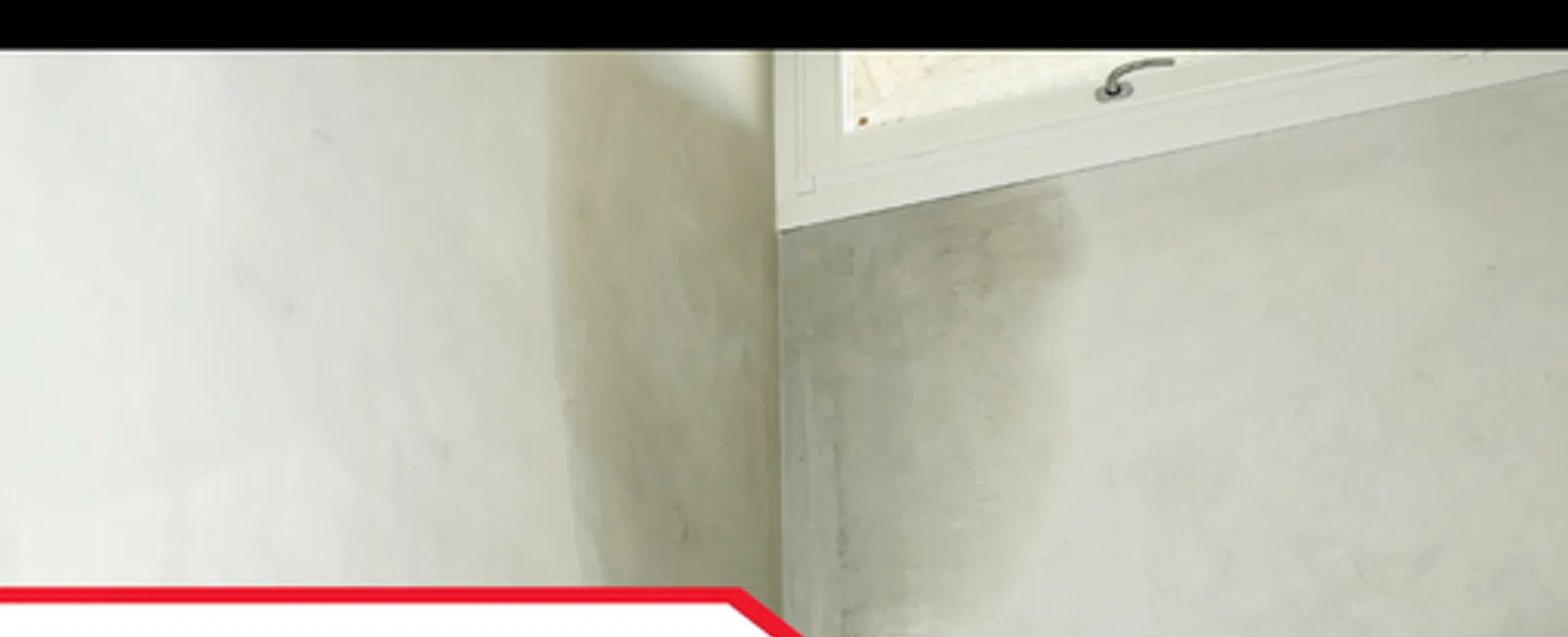
Moisture intrusion is one of the most important conditions to evaluate during a commercial property inspection because water can affect multiple building systems long before the full extent of a problem becomes obvious. A stain on a ceiling, corrosion around a metal component, deteriorated wall finishes, or dampness near a foundation may be the visible result of a much larger water-management issue. For commercial property buyers, investors, owners, and facility managers, a commercial moisture inspection can provide important information about the current condition of the building and identify areas that warrant further evaluation before maintenance or repair costs become more significant.
The challenge is that commercial building water intrusion rarely involves only one component. Roof membranes, flashing, exterior walls, windows, doors, sealants, foundations, plumbing systems, HVAC equipment, gutters, downspouts, and site drainage can all influence how water enters, moves through, and exits a building. Moisture may also travel behind finishes or along structural components before becoming visible somewhere far from the original source. As a result, documenting a stain is only the beginning of the investigation. Understanding the likely source and the conditions that allowed moisture to reach that area is far more useful during commercial due diligence.
LunsPro Inspection Group evaluates visible moisture-related conditions during Commercial Property Inspections and Property Condition Assessments throughout its commercial service areas in Georgia, North Carolina, and Florida. From Atlanta Commercial Inspections and Savannah Commercial Inspections to Charlotte Commercial Inspections, Raleigh Commercial Inspections, Greensboro Commercial Inspections, and Jacksonville Commercial Inspections, moisture observations can help buyers better understand deferred maintenance, repair priorities, and potential future capital needs.
Why Moisture Intrusion Deserves Attention
Water can affect a commercial building in many ways.
The significance of a moisture condition depends on factors such as:
- Source
- Duration
- Frequency
- Materials affected
- Location
- Building use
- Whether the source has been corrected
A single isolated stain from a historical plumbing leak is very different from widespread deterioration caused by recurring roof leakage.
Similarly, moisture detected near an exterior wall during heavy rainfall may deserve a different level of investigation than an old, dry stain with documented repairs.
The goal of a commercial moisture inspection is therefore not simply to locate every discolored surface. It is to identify visible patterns, determine where further investigation may be appropriate, and consider how the observed conditions relate to the building as a whole.
Guidance from the U.S. EPA - Moisture Control Guidance for Building Design, Construction and Maintenance provides useful context because it addresses moisture control through site drainage, foundations, walls, roof and ceiling assemblies, plumbing systems, and HVAC systems. EPA also emphasizes understanding how water moves into and within buildings, reinforcing why a commercial inspection should look beyond the cosmetic damage when moisture intrusion is suspected.
Roof Leaks Are a Common Source of Commercial Water Intrusion
Commercial roofs can be exposed to intense sunlight, heavy rainfall, wind, temperature changes, mechanical equipment, and ongoing maintenance activity.
Visible roof-related moisture concerns may involve:
- Deteriorated membranes
- Damaged seams
- Failed flashing
- Open penetrations
- Damaged sealants
- Ponding water
- Blocked drains
- Aging repairs
- Deteriorated roof edges
- Mechanical-equipment penetrations
Water entering through a roof does not always appear directly beneath the point of entry.
It may travel along:
- Roof decking
- Structural framing
- Insulation
- Mechanical components
- Ceiling systems
This can make leak identification difficult.
A ceiling stain several feet from a roof penetration may still be related to that penetration, but visual inspection alone may not establish the exact pathway.
Roof Drainage Is Part of Moisture Management
The roof surface is only one part of the roof water-management system.
Commercial buildings may also rely on:
- Internal roof drains
- Scuppers
- Gutters
- Downspouts
- Secondary drainage
- Overflow provisions
If these components become clogged, damaged, disconnected, or improperly routed, water may remain on the roof or discharge into vulnerable areas around the building.
Ponding water does not automatically establish that a roof is leaking. However, persistent drainage deficiencies may place additional stress on roof materials and increase the importance of further evaluation.
During a commercial roof inspection, inspectors may document visible drainage concerns and evidence of previous moisture intrusion so buyers can determine whether a roofing contractor should perform a more specialized assessment.
Exterior Walls Are Part of a Larger Building Envelope
Commercial exterior walls are not simply decorative surfaces.
They are part of the building envelope responsible for managing:
- Rain
- Air
- Moisture
- Temperature differences
- Exterior environmental exposure
Exterior wall systems may include:
- Masonry
- Concrete
- Metal panels
- Stucco
- Exterior insulation systems
- Siding
- Curtain walls
- Other cladding materials
Open joints, deteriorated sealants, cracks, failed flashing, damaged panels, or improper penetrations can create pathways for water.
The U.S. Department of Energy - Water Managed Walls explains an important building-science principle: exterior cladding cannot always be expected to stop every drop of rain, so wall systems commonly rely on a drainage plane or water barrier behind the exterior finish to direct incidental moisture outward. This is highly relevant to commercial moisture investigations because visible sealant failure may be only one part of a larger wall-system concern.
Flashing Helps Direct Water
Flashing is commonly installed at locations where water needs to be directed over or around vulnerable transitions.
Depending on the building, flashing may be present at:
- Windows
- Doors
- Roof-to-wall transitions
- Parapets
- Wall penetrations
- Roof edges
- Masonry openings
Damaged, missing, poorly integrated, or deteriorated flashing can contribute to water intrusion.
However, much of a building's flashing may be concealed behind exterior finishes.
A general commercial building water intrusion evaluation during a visual inspection therefore cannot confirm the condition of every concealed flashing component.
Visible staining, deterioration, or previous repair work may instead indicate where more invasive investigation should be considered.
Sealant Failures Can Create Moisture Pathways
Commercial buildings can contain extensive quantities of sealant.
Common locations include:
- Window perimeters
- Door frames
- Control joints
- Expansion joints
- Exterior panel joints
- Utility penetrations
- Mechanical penetrations
- Flashing transitions
Sealants can deteriorate because of:
- Age
- UV exposure
- Temperature cycling
- Building movement
- Poor adhesion
- Improper installation
- Material incompatibility
Cracking or separation may allow water to enter vulnerable portions of the building envelope.
However, simply adding more sealant is not always an appropriate long-term repair.
If the actual problem involves concealed flashing, damaged cladding, improper drainage, or another building-envelope component, surface caulking may only mask the symptom.
Windows and Doors Can Be Moisture Entry Points
Commercial windows and doors create multiple transitions between different building materials.
Inspectors may observe:
- Failed perimeter sealants
- Damaged glazing seals
- Deteriorated frames
- Corrosion
- Staining
- Damaged thresholds
- Water-damaged finishes
- Open joints
Wind-driven rain can place particular stress on these openings.
Water may also enter above a window and travel through the wall before appearing along the frame, making it difficult to determine whether the window itself is actually the source.
A commercial inspection can document the visible conditions, but specialized window testing or building-envelope investigation may be needed to establish the exact pathway.
Foundations and Groundwater
Water can also affect commercial buildings from below grade.
Potential sources include:
- Groundwater
- Surface runoff
- Poor grading
- Foundation cracks
- Failed below-grade drainage
- Damaged waterproofing
- Plumbing leaks
- Hydrostatic pressure
Visible signs of foundation-related moisture may include:
- Dampness
- Water staining
- Efflorescence
- Peeling coatings
- Corrosion
- Deteriorated finishes
- Standing water
EPA's moisture-control guidance specifically includes site drainage and foundations as major moisture-management considerations. That broader framework is useful because foundation moisture should not automatically be assumed to originate from a foundation crack. Exterior grading, roof runoff, groundwater, drainage systems, and plumbing should also be considered when identifying the likely source.
Why Exterior Grading Matters
The ground around a commercial building should generally help direct surface water away from vulnerable portions of the structure.
Negative grading, settlement, erosion, or low areas can allow rainwater to accumulate near foundations.
Potential observations during an exterior inspection include:
- Soil sloping toward the building
- Standing water
- Erosion
- Low landscaping areas
- Failed pavement slopes
- Water concentrated beside walls
Large commercial properties can be especially complex because paved areas, curbs, sidewalks, landscaped islands, retaining walls, and neighboring properties may all influence drainage.
A visual inspection can identify obvious drainage patterns but does not replace civil engineering or hydrological analysis.
Site Drainage and Commercial Moisture Problems
Moisture intrusion does not stop at the building wall.
The surrounding site should also be considered.
Commercial sites may contain:
- Catch basins
- Storm drains
- Swales
- Retention areas
- Paved drainage channels
- Roof-drain connections
Blocked or damaged drainage components may contribute to standing water or direct runoff toward the structure.
A large roof or parking lot can collect a significant volume of rainwater during a storm, which makes drainage particularly important for commercial properties.
Repeated exterior water accumulation may contribute to:
- Foundation moisture
- Pavement deterioration
- Erosion
- Exterior wall exposure
- Landscape damage
Plumbing Leaks Can Mimic Building-Envelope Problems
Not every stain near an exterior wall is caused by rain.
Commercial plumbing systems can also produce moisture.
Potential sources include:
- Domestic water piping
- Drain piping
- Water heaters
- Restroom fixtures
- Utility sinks
- Roof-drain piping
- Condensate systems
Plumbing leaks may occur:
- Above ceilings
- Behind walls
- Beneath floors
- Inside mechanical rooms
- Around fixtures
This is another reason identifying the source of moisture is so important.
An inspector may see staining in a ceiling tile but need to consider both roofing and plumbing located above that area.
A qualified plumber may be recommended when the visible evidence indicates that water-supply or drainage piping may be involved.
HVAC Condensation Can Cause Water Damage
Commercial HVAC systems can produce significant amounts of condensation.
Potential moisture-related HVAC conditions include:
- Clogged condensate drains
- Overflowing drain pans
- Damaged drain piping
- Missing insulation
- Condensation on ducts
- Poor humidity control
- Water around air-handling equipment
The U.S. EPA - Mold Remediation in Schools and Commercial Buildings Guide: Chapter 2 specifically recommends monitoring condensation and wet spots, fixing the source of moisture problems, and keeping HVAC drip pans clean and unobstructed so they drain properly. This is relevant to commercial inspections because an HVAC-related moisture issue may initially look like a roof or plumbing problem until the mechanical system is evaluated.
Visible Staining Is Evidence, Not a Complete Diagnosis
Water staining is one of the most recognizable moisture indicators.
It may appear on:
- Ceiling tiles
- Drywall
- Masonry
- Concrete
- Carpeting
- Baseboards
- Structural framing
Staining tells the inspector that a surface has likely been exposed to moisture at some point.
It does not necessarily establish:
- Whether the area is currently wet
- When the event occurred
- Whether the source has been repaired
- The exact entry point
- The extent of concealed damage
A stain should therefore be investigated in context.
Inspectors may consider surrounding materials, weather conditions, moisture readings, roof conditions, plumbing locations, and historical repairs before determining what further evaluation to recommend.
Efflorescence Can Indicate Moisture Movement
Efflorescence is a light-colored mineral deposit commonly visible on masonry or concrete.
It can occur when moisture moves through porous materials, dissolves salts, and leaves those salts behind as the water evaporates.
Its presence can provide evidence of previous or recurring moisture movement.
However, efflorescence does not independently establish that water is actively entering the building at the time of inspection.
An inspector may consider:
- Exterior drainage
- Foundation configuration
- Current dampness
- Groundwater conditions
- Wall location
- Previous repairs
before recommending the next step.
Corrosion Can Provide Moisture Clues
Commercial buildings contain numerous metal components.
Moisture exposure may contribute to corrosion involving:
- Structural steel
- Metal roof decking
- Fasteners
- Electrical enclosures
- Plumbing
- Mechanical equipment
- Door frames
- Exterior panels
Surface corrosion does not automatically indicate major structural deterioration.
However, significant or widespread corrosion can provide useful evidence of prolonged moisture exposure and may warrant evaluation by an appropriate specialist.
Damaged Interior Finishes
Repeated moisture exposure can damage:
- Drywall
- Ceiling tiles
- Flooring
- Paint
- Baseboards
- Wall coverings
One challenge with commercial properties is that damaged finishes are often replaced without correcting the underlying source.
Fresh paint or new ceiling tiles may improve appearance but do not necessarily confirm that a water problem has been resolved.
During Commercial Due Diligence, buyers may benefit from reviewing maintenance records and asking about repeated repairs in the same locations.
Moisture Can Affect Insulation
Insulation may lose performance or deteriorate when repeatedly exposed to moisture, depending on the material.
However, insulation is frequently concealed inside:
- Walls
- Roof assemblies
- Ceilings
A visual commercial inspection cannot determine the moisture condition of every concealed insulation layer.
If significant water intrusion has occurred, more invasive evaluation may be necessary to understand whether insulation or other concealed materials were affected.
Moisture Can Affect Wood Components
Commercial buildings sometimes contain wood framing, roof decking, sheathing, blocking, or finish materials.
Persistent moisture can contribute to:
- Staining
- Swelling
- Deterioration
- Decay
The presence of moisture staining does not automatically establish structural damage.
If visible wood appears significantly deteriorated, softened, displaced, or otherwise compromised, further evaluation by a qualified contractor or structural professional may be warranted.
Moisture and Microbial Growth
Moisture is an important factor in microbial growth.
The U.S. EPA - Mold Course Chapter 2 explains that mold can grow on many organic materials when moisture and oxygen are present and emphasizes that controlling indoor moisture is central to controlling mold growth. This is relevant to commercial buildings because prolonged leaks or condensation can create conditions conducive to growth on materials such as wood, paper-faced products, insulation, carpet, and other finishes.
However, a commercial inspector should not identify every dark stain or discoloration as mold based solely on appearance.
Similar-looking conditions may be caused by:
- Dirt
- Water staining
- Rust
- Adhesives
- Previous repairs
- Other substances
A qualified mold or indoor-environmental professional may be appropriate when suspected microbial growth requires formal assessment or testing.
Why Finding the Moisture Source Matters
Repairing visible damage without correcting the source can allow the problem to return.
EPA's Mold Remediation in Schools and Commercial Buildings Guide emphasizes that moisture problems should be corrected as part of addressing mold or water-damaged materials. EPA's related investigation guidance specifically identifies finding and fixing the water or moisture source as a key step.
That principle applies even when mold is not involved.
Replacing a stained ceiling tile without repairing a roof leak does not solve the underlying condition.
Painting a damp masonry wall does not correct poor exterior drainage.
Replacing damaged drywall does not repair a leaking plumbing line.
A useful commercial moisture inspection therefore focuses on both evidence and probable cause.
Moisture Can Migrate Far From the Entry Point
Water movement inside buildings is often complicated.
Moisture can travel:
- Along framing
- Across roof decking
- Through insulation
- Along pipes
- Behind wall finishes
- Through masonry
- Along floor systems
Gravity is only one influence.
Capillary action, air pressure, wind, material interfaces, and building configuration can all affect movement.
This means an interior stain may be several feet away from the original opening.
That is why inspectors should avoid overconfident conclusions based on stain location alone.
Infrared Thermal Imaging Can Provide Additional Clues
Infrared Inspections can be useful tools when evaluating certain moisture-related conditions.
An infrared camera measures surface temperature patterns.
Moisture can sometimes produce thermal differences because wet materials may heat or cool differently from surrounding dry materials.
Thermal imaging may therefore help identify areas warranting closer evaluation, including suspected:
- Roof moisture
- Wall moisture
- Plumbing leaks
- HVAC condensation
However, a thermal anomaly does not independently confirm water.
Temperature differences can also result from:
- Insulation variations
- Air leakage
- Sun exposure
- HVAC operation
- Construction materials
- Structural framing
Infrared findings should therefore be interpreted alongside visual observations and, when appropriate, other tools.
Moisture Meters Also Have Limitations
Moisture meters can help evaluate whether accessible materials show readings different from surrounding areas.
Inspectors may use these tools on:
- Drywall
- Wood
- Certain flooring
- Other compatible materials
A moisture meter can strengthen an investigation when a suspicious stain or thermal anomaly is present.
However, readings can be affected by:
- Material type
- Meter design
- Depth
- Metal
- Surface conditions
A single elevated reading should not automatically be interpreted as proof of an active concealed leak.
The location, material, comparative readings, visual evidence, and inspection conditions should all be considered.
Commercial Inspections Are Generally Non-Invasive
A general commercial property inspection is usually visual and non-destructive.
Inspectors typically do not:
- Remove finished walls
- Cut roof membranes
- Open concealed wall cavities
- Remove permanently installed finishes
- Perform destructive moisture testing
- Conduct laboratory mold analysis
- Perform engineering calculations
These limitations matter because concealed damage can exist behind apparently intact finishes.
If visible evidence suggests that a more significant moisture condition may be concealed, buyers may need to authorize specialized invasive investigation before closing.
Recurring Water Intrusion Can Affect Tenants
A moisture problem can become an operational issue quickly in an occupied commercial property.
Recurring leaks may lead to:
- Closed rooms
- Damaged tenant improvements
- Repeated maintenance calls
- Disrupted business operations
- Damaged inventory
- Odor complaints
- Ceiling-tile replacement
- Temporary relocations
In multi-tenant properties, one roof or plumbing problem may affect several spaces.
Property managers and investors should therefore consider not only repair cost but also the operational consequences of recurring commercial building water intrusion.
Moisture Findings and Deferred Maintenance
Water intrusion often reveals broader maintenance patterns.
Examples of deferred maintenance can include:
- Aging roofing
- Failed sealants
- Deteriorated flashing
- Clogged roof drains
- Damaged gutters
- Failing exterior joints
- Plumbing leaks
- Poor grading
- HVAC drain maintenance
One isolated maintenance issue may be manageable.
Multiple moisture-related deficiencies across the building may indicate that significant capital work is approaching.
This is particularly relevant to investors attempting to estimate post-acquisition expenses.
Property Condition Assessments and Moisture Findings
A Property Condition Assessment can place moisture observations into the broader context of the asset.
The assessment may consider:
- Roofing
- Exterior walls
- Windows and doors
- Foundations
- Plumbing
- HVAC
- Interior finishes
- Site drainage
- Deferred maintenance
Moisture-related findings may then contribute to recommendations for:
- Immediate repairs
- Further specialist evaluation
- Near-term capital improvements
- Long-term maintenance planning
The objective is not to predict every future leak.
It is to identify observable property conditions that may have financial or operational significance.
Moisture and Cost-to-Cure Planning
Moisture-related repairs can vary greatly in scope.
A simple repair may involve replacing failed sealant.
A more significant condition could require:
- Roof replacement
- Building-envelope restoration
- Window replacement
- Drainage improvements
- Plumbing repairs
- HVAC modifications
- Interior reconstruction
The visible inspection findings can help buyers identify where contractor estimates should be obtained before closing.
Those estimates can contribute to a more realistic cost-to-cure analysis.
When Should a Roofing Specialist Be Called?
Further roofing evaluation may be appropriate when inspectors identify:
- Active roof leakage
- Significant membrane deterioration
- Extensive ponding
- Damaged flashing
- Multiple previous repairs
- Moisture-related interior damage
A qualified commercial roofing contractor can often provide more detailed information about repair options, remaining condition, and replacement needs.
When Is Building-Envelope Evaluation Appropriate?
A building-envelope specialist may be appropriate when moisture appears to involve:
- Curtain walls
- Complex masonry systems
- Repeated window leakage
- Wall-panel joints
- Concealed flashing
- Widespread sealant failure
- Recurring water entry
Specialized investigations may include controlled water testing, invasive openings, or detailed assembly analysis that falls outside a standard property inspection.
The broader Whole Building Design Guide - Building Envelope Design Guide provides useful context for viewing roofs, walls, openings, foundations, and related enclosure components as parts of an integrated building system. That systems-based perspective is important when a leak cannot reasonably be attributed to one visible surface condition alone.
Plumbing and HVAC Specialists
A licensed plumber may be needed when moisture appears related to:
- Water-supply piping
- Drainage piping
- Water heaters
- Fixtures
- Concealed plumbing
An HVAC contractor may be appropriate for:
- Condensate leakage
- Drain-pan problems
- Duct condensation
- Humidity-control concerns
- Mechanical-equipment leaks
Specialists can perform testing or dismantling that a general commercial inspector would not typically perform.
When Engineering Evaluation May Be Necessary
Long-term water exposure can sometimes affect structural or site conditions.
Engineering evaluation may be appropriate when there is evidence of:
- Significant foundation movement
- Structural deterioration
- Extensive corrosion
- Major site-drainage problems
- Complex water-management failures
A commercial property inspector may identify the visible condition, while an engineer determines structural significance or designs corrective work.
A Commercial Inspection Is Not a Mold Assessment
A standard commercial moisture inspection should also be distinguished from a specialized mold assessment.
The U.S. EPA - Mold Remediation in Schools and Commercial Buildings guidance focuses specifically on investigating and addressing moisture and mold problems in larger buildings and emphasizes the importance of qualified professional assistance when conditions exceed the building owner's or manager's expertise. This resource is relevant because significant moisture findings may lead to a separate environmental or mold-related evaluation, but that does not mean the commercial property inspection itself constitutes such an assessment.
Formal mold investigations may involve:
- Sampling
- Laboratory analysis
- Detailed moisture mapping
- Indoor environmental assessment
- Remediation planning
Those services should be performed under an appropriate specialized scope when needed.
Commercial Moisture Inspections in Georgia
Georgia's warm, humid climate and periods of heavy rainfall can place substantial demands on commercial building envelopes.
During Atlanta Commercial Inspections, properties may include older masonry buildings, offices, retail centers, warehouses, multifamily properties, and newer construction with complex roof and wall systems.
Savannah Commercial Inspections can involve additional considerations associated with heavy rainfall, humidity, and coastal environmental exposure.
In both markets, roof drainage, exterior sealants, flashing, site grading, HVAC condensation, and moisture-related deterioration can be particularly relevant during due diligence.
Commercial Moisture Inspections in North Carolina
North Carolina includes rapidly growing commercial markets and a wide variety of building ages.
During Charlotte Commercial Inspections, buyers may encounter large office parks, retail properties, warehouses, and multifamily assets where expansive roofs and paved sites make drainage especially important.
Raleigh Commercial Inspections may involve rapidly developing properties, renovations, and mixed building types where roof, HVAC, and building-envelope conditions deserve careful review.
Greensboro Commercial Inspections may include established commercial buildings where long-term maintenance history and older roofing or exterior systems influence moisture risk.
Commercial buyers should consider moisture findings in the context of the individual property rather than assuming one regional condition applies to every building.
Commercial Moisture Inspections in Florida
Florida's climate creates significant water-management demands.
During Jacksonville Commercial Inspections, buildings may be exposed to:
- Heavy rain
- High humidity
- Strong sunlight
- Wind-driven precipitation
- Long cooling seasons
These conditions can increase the importance of:
- Roofing
- Flashing
- Exterior sealants
- Windows
- Wall systems
- HVAC condensation management
- Site drainage
A dry building on the day of inspection does not necessarily prove that leaks have never occurred.
Maintenance records, visible staining, repair history, and surrounding drainage conditions can all provide additional context.
The Value of Commercial Due Diligence
Moisture findings can influence a commercial acquisition in several ways.
They may help buyers:
- Request specialist evaluations
- Obtain repair estimates
- Investigate maintenance history
- Adjust capital budgets
- Prioritize immediate repairs
- Evaluate deferred maintenance
- Better understand building suitability
The inspection does not determine how a transaction should proceed.
Instead, it helps replace uncertainty with observable information.
A water stain may ultimately represent a minor repaired condition, or it may lead to the discovery of a more significant roofing, plumbing, drainage, or building-envelope issue.
The value of Commercial Due Diligence is identifying which questions should be answered before the buyer assumes ownership.
Moisture intrusion deserves careful attention because water does not respect the boundaries between building systems. A roof leak may damage insulation and ceilings. Poor site drainage may affect foundations. Failed exterior joints may allow water behind wall systems. HVAC condensation may damage interior finishes, while plumbing leakage may resemble building-envelope intrusion. A useful commercial moisture inspection therefore evaluates visible evidence within the context of roofs, walls, windows, doors, foundations, plumbing, HVAC, drainage, and other interconnected components.
Visible staining, efflorescence, corrosion, deterioration, odors, thermal anomalies, or elevated moisture readings should not automatically be interpreted as proof of an active leak or concealed damage. Each condition is evidence that requires context. Infrared thermal imaging and moisture meters can provide additional information when conditions are appropriate, but these tools do not independently diagnose the source or extent of a moisture problem. When uncertainty remains, roofing contractors, plumbers, HVAC professionals, building-envelope specialists, engineers, mold professionals, or other qualified specialists may be needed.
For commercial buyers, recurring commercial building water intrusion can become more than a maintenance issue. It can affect tenant spaces, business operations, repair budgets, capital planning, and long-term asset condition. Moisture findings may also reveal patterns of deferred maintenance involving roofing, flashing, sealants, drainage, mechanical systems, or exterior components that should be incorporated into acquisition planning.
LunsPro Inspection Group provides Commercial Property Inspections, Property Condition Assessments, and relevant Infrared Inspections throughout its commercial markets in Georgia, North Carolina, and Florida. Whether due diligence involves Atlanta Commercial Inspections, Savannah Commercial Inspections, Charlotte Commercial Inspections, Raleigh Commercial Inspections, Greensboro Commercial Inspections, or Jacksonville Commercial Inspections, the goal is to document observable property conditions and help commercial real estate stakeholders identify where additional investigation may be appropriate.
Ultimately, the most important question is not simply whether a building has a stain. It is why the stain is there, whether the underlying moisture source remains active, what materials may have been affected, and what level of repair or further investigation may be necessary. By approaching moisture as a building-wide issue rather than a cosmetic defect, commercial buyers can make better-informed decisions about repair planning, cost to cure, future capital needs, and the long-term condition of the asset.